
BeeSmart Blog
Protecting Our Pollinators – Bee Removal La Quinta, California
Why Protecting Our Pollinators in La Quinta, California Is So Important
Bee Removal in La Quinta and the entire Coachella Valley takes precision and expertise. In the heart of the Coachella Valley — where the sun-kissed deserts of La Quinta meet vibrant oases — a quiet but essential symphony of life unfolds every day. Buzzing bees, fluttering butterflies, and darting hummingbirds move from flower to flower, sustaining the ecosystems that make our region thrive.
As the owner of La Quinta Honeybee Removal Services, I've spent years witnessing firsthand just how vital pollinators are to our local environment, agriculture, and economy. But why is protecting them so important — especially here in the desert?
In this post, we'll explore:
- What pollinators do and why they matter
- Their critical role in La Quinta and the Coachella Valley
- The threats they face
- How we can protect them responsibly
Understanding Pollinators: Nature's Unsung Heroes
Pollinators are animals that help plants reproduce by transferring pollen from one flower to another. This process enables fertilization, seed production, and the growth of fruits and vegetables.
In California alone, there are more than 1,500 native bee species, along with butterflies, moths, birds, and even bats that play a role in pollination.
Bees, in particular, are considered keystone species. They support plant diversity and help keep ecosystems functioning. Without pollinators, over 80% of flowering plants would struggle to survive, triggering cascading effects across wildlife populations and human food systems.
Pollinators in Desert Environments Like La Quinta
Desert pollinators have adapted remarkably well to harsh conditions. Native solitary bees often nest in sandy soil and pollinate drought-tolerant plants such as creosote bush and desert lavender. Hummingbirds and butterflies also contribute, visiting flowering plants throughout the Mojave and Sonoran Desert landscapes.
These species aren't just beautiful visitors — they help maintain soil stability, water efficiency, and biodiversity in an ecosystem where every bloom matters.
Globally, pollinators contribute an estimated $217 billion annually to the economy through crop pollination. Locally, they make possible many of the foods we enjoy daily — almonds, citrus, strawberries, and even coffee.
The Vital Role Pollinators Play in La Quinta's Ecosystem and Economy
La Quinta's location within the Coachella Valley makes pollinators especially important. Our region is a unique blend of desert scrub, residential development, and agricultural land.
Bees pollinate crops that drive the local economy, including dates, citrus, grapes, and vegetables. The Coachella Valley is world-famous for its date palms — a crop cultivated here for centuries and worth millions of dollars annually. While date palms are often hand-pollinated, wild bees still improve yields and support surrounding vegetation that prevents soil erosion and sustains wildlife.
Across California, pollinator-dependent crops are valued at over $11 billion, supporting jobs in farming, packaging, food distribution, and tourism. In La Quinta, pollinators also help maintain the natural beauty that attracts visitors to resorts, golf courses, hiking trails, and farmers' markets.
Native pollinators such as western bumble bees and monarch butterflies are especially well adapted to desert climates. Their presence reduces the need for intensive agricultural practices and provides free ecosystem services that support raw materials, fibers, and plant life essential to our economy.
Protecting pollinators isn't just environmentally responsible — it's smart economic stewardship for the entire valley.
Threats Facing Pollinators in the Coachella Valley
Despite their importance, pollinators in La Quinta face growing challenges.
Habitat Loss and Climate Change
Urban development fragments natural habitats, making it harder for bees and butterflies to find food and nesting areas. Climate change compounds this problem by altering flowering times, increasing extreme heat, and disrupting pollinator activity. In desert regions, even small changes can throw entire ecosystems out of balance.
Pesticides, Disease, and Parasites
Certain pesticides — especially neonicotinoids — have been linked to declining bee populations. These chemicals impair navigation, weaken immune systems, and reduce reproduction.
Pollinators also face biological threats such as Varroa mites, which spread viruses that deform wings and weaken honeybee colonies. In recent years, California beekeepers have lost more than 60% of their colonies, a staggering and unsustainable number.
Competition From Non-Native Honeybees
Feral, non-native honeybees can outcompete native species by consuming a disproportionate share of available pollen. In parts of Southern California, they now dominate local ecosystems, placing native pollinators at risk and reducing biodiversity.
How We Can Protect Pollinators in La Quinta
The good news is that protecting pollinators doesn't require drastic measures. Small, thoughtful actions — especially at the local level — can make a meaningful difference.
1. Choose Humane Bee Removal Instead of Extermination
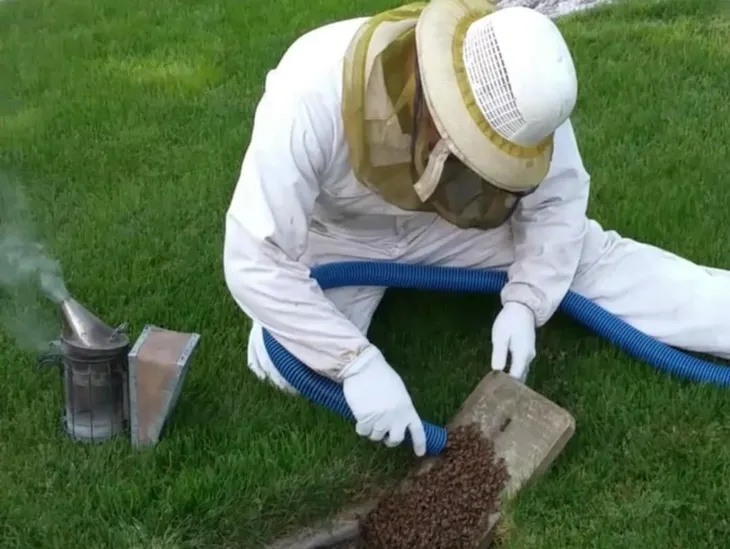
When bees build a hive in a home or commercial property, extermination is often unnecessary and harmful. Humane honeybee removal safely relocates colonies so they can continue pollinating elsewhere. As a local bee removal professional in La Quinta, I specialize in ethical, live bee relocation that protects both people and pollinators.
2. Plant Native, Drought-Tolerant Flowers
Native plants such as desert marigold, brittlebush, chuparosa, and California poppy provide essential food sources for pollinators while conserving water. Even a small pollinator-friendly garden can support dozens of species.
3. Reduce or Eliminate Pesticide Use
Avoid using chemical pesticides whenever possible, especially during flowering seasons. Opt for integrated pest management or natural alternatives that don't harm beneficial insects.
4. Provide Water and Shelter
Shallow water dishes with stones for landing, patches of bare soil, and undisturbed areas can give native bees and butterflies safe places to drink, nest, and rest.
5. Support Local Conservation Efforts
Participate in or donate to local environmental organizations that protect desert habitats and promote sustainable land use throughout the Coachella Valley.
Protecting Pollinators Protects Our Community
Pollinators are essential to the health, beauty, and economic stability of La Quinta. From supporting local agriculture to maintaining our desert ecosystems, their impact reaches far beyond the flowers they visit.
Protecting them is not just an environmental responsibility — it's a commitment to our community, our businesses, and future generations.
If you've discovered a bee hive on your property and need assistance, choose professional, humane bee removal in La Quinta that respects the role these incredible creatures play. Together, we can keep the Coachella Valley thriving — one pollinator at a time.